
Measles cases have surged across the United States since Robert F. Kennedy Jr. assumed office as Health Secretary in early 2025 and reduced federal vaccine recommendations. Following this reduction, 10 cases of measles in Minnesota have been confirmed earlier in the year. This is deeply concerning, as it undermines public confidence in science-based vaccine information, lowers vaccination rates and directly puts the health and safety of communities at greater risk.
Evidence from the Star Tribune reports that Minnesota has documented 10 measles cases earlier this year, all of which have been contracted within the United States and involved unvaccinated individuals.
The federal government’s mixed messaging on vaccines—including Health Secretary Robert F. Kennedy Jr.’s promotion of debunked vaccine safety concerns—has further complicated public health efforts. This has greatly undermined public trust in critical health advice and care, making people less likely to follow crucial recommendations, resulting in lower vaccination rates and overall poorer health outcomes.
This pattern is significant because it demonstrates that RFK Jr.’s reduced federal vaccine recommendations have led fewer individuals and families to vaccinate. This outbreak shows how weakened recommendations directly lead to preventable disease outbreaks affecting healthy people in Minnesota.
Studies have shown that Minnesota’s MMR vaccination, vaccine used to prevent measles, rates have declined significantly, dropping from 95.2% to 92.5% in recent years. This raises the question of whether RFK Jr.’s reduced vaccine recommendations directly caused Minnesota’s decline in vaccination.
“MMR coverage fell from 95.2 percent in 2019 to 92.5 percent for the 2024-2025 school year.” Data from Minneapolis Media has stated. Since herd immunity requires 95% vaccination coverage, Minnesota’s lowered rates leave the state vulnerable to the spread of disease.
This decline is crucial because it shows how RFK Jr.’s reduced federal vaccine recommendations have directly impacted vaccination rates in Minnesota. When vaccination rates fall below the 95% threshold needed for herd immunity, the entire community becomes susceptible—not just unvaccinated people but healthy, vaccinated people who rely on community protection as well. This also explains the 10 emerged measles cases: the state lost its protection, allowing the disease to spread among unvaccinated populations.
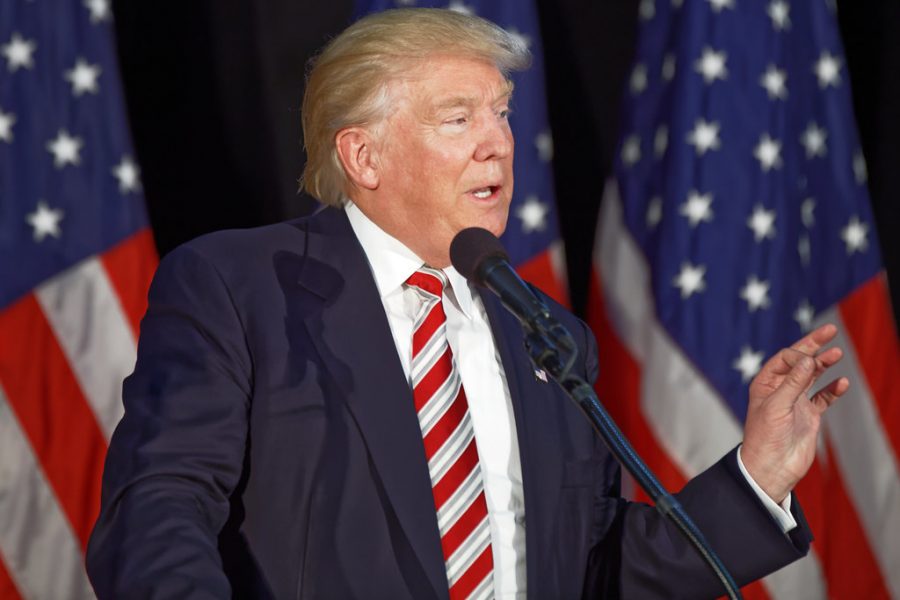
Robert F. Kennedy Jr. has wielded his authority as Health Secretary to restructure the CDC’s vaccine advisory committee and replace all 17 members with individuals who lack proper scientific qualifications and share his anti-vaccine views, a move that raises serious concerns about the integrity of public health decision-making. This risks weakening confidence and liability in vaccine safety and effectiveness.
According to Politico, Kennedy followed a similar playbook when he fired all the members of the CDC’s Advisory Committee on Immunization Practices and replaced them with his own picks, many of whom shared his vaccine-safety skepticism.
This matters because with RFK replacing vaccine experts with people who share his skepticism about vaccines, he is removing credible voices and was able to push through his reduced vaccine recommendations without opposition. This led to lower vaccination rates and Minnesota’s measles outbreak. When health policy is driven by ideology rather than science, healthy people suffer the consequences.
The United States experienced a significant national measles outbreak in 2025, with case numbers reaching an alarming level not seen since 1992. This surge occurred following RFK Jr.’s reduction of federal vaccine recommendations and his restructuring of the vaccine advisory committee.
According to the Minnesota Department of Health, the CDC confirmed over 1,500 measles cases in 2025 and three deaths in the United States, the highest number in three decades.
This is significant because it demonstrates how RFK’s vaccine policy changes have had consequences beyond just Minnesota—it has affected the entire United States. This national outbreak, along with Minnesota’s 10 cases, shows a clear pattern: when federal vaccine recommendations are weakened, vaccination rates decline across the country and preventable diseases start to resurge.
The rise in measles cases in Minnesota and across the United States proves the impact of weaker vaccine recommendations. As vaccination rates drop below the level needed for herd immunity, communities become more at risk. Minnesota’s recent cases are part of a larger national trend, showing that when vaccines are discouraged, diseases can return. To prevent more outbreaks, it is important to support clear, science-based vaccine policies and encourage people to get vaccinated.