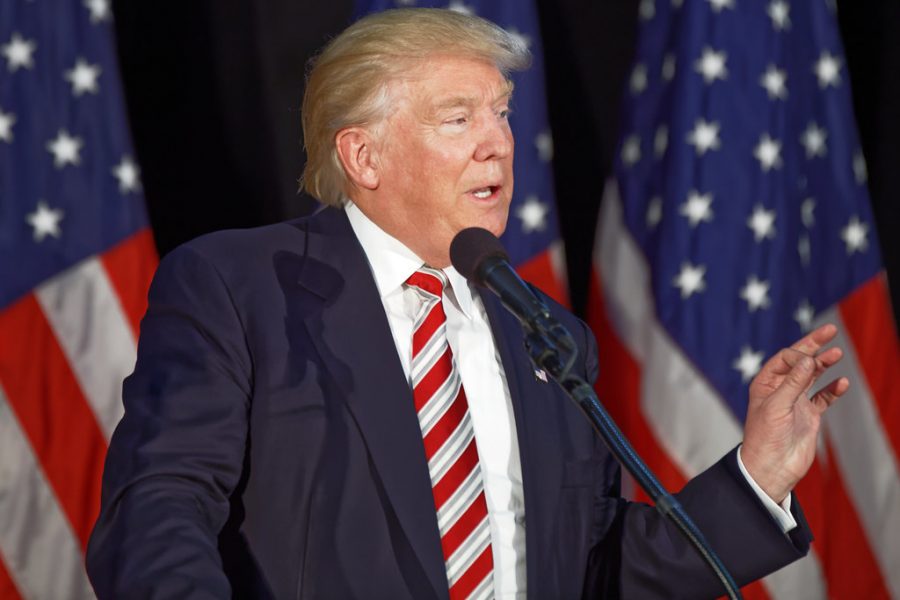

As of July, major changes regarding federal aid, such as student loans, FAFSA, Pell grants and college tuition prices. Historically, borrowers have had the ability to cover the full cost of college attendance through these acts of financial aid. Now, under the Trump administration, the One Big Beautiful Bill policy will eliminate most income-driven repayment plans. This shift could make monthly loan payments less flexible and more difficult for borrowers to manage after high school graduation. As a result, students may be forced to rely more heavily on scholarships, personal savings or alternative education paths to afford college.
Due to rising tuition costs, many high school students feel increasing pressure to stand out, either by earning scholarships or excelling in athletics. This pressure can influence their academic choices, extracurricular involvement and overall stress levels as they prepare for college.
“They help pay for my tutoring, they pay for housing, and we don’t get a full scholarship,” senior Nolan Von-Behren said, explaining that while the financial support covers some essential expenses, his family still has to manage significant out-of-pocket costs to make his education possible.
The Trump administration has taken many steps to terminate the Biden-era SAVE and loan forgiveness program. This decision would significantly impact borrowers who were relying on reduced payments or loan cancellation, increasing financial uncertainty for many Americans.
Senior Isabel Isaacson shares that younger grades should stay educated on the United States political climate when approaching higher education.
Eventually, these changes are expected to streamline the student loan system and reduce the number of available payment options. While simplification may make the system easier to navigate, it could also limit borrowers’ flexibility in managing their repayments.
Community colleges often provide an education comparable to that of public universities, especially for general education courses and foundational programs. Typically, they cost less, and they can be a more affordable option for students looking to reduce overall college expenses.
“I feel like college itself is like a big commitment; I feel like a lot of kids just go for the narrative,” senior Kynadee Wittwer said, pointing to how more students are drawn to the ideals of a social scene over a quality education.
Federal student loan programs will be impacted starting July 1, bringing significant changes to how aid is distributed. These updates may reduce opportunities for students to receive financial assistance when attending private universities, potentially limiting their college options.
Senior Anna Kiser shared that changes to grants, loan options or repayment plans could make colleges like Bethel University more financially accessible by lowering the amount families would need to pay out of pocket for a private university. If federal aid programs changed, the effect would be “more aid” than currently offered.
Ultimately, the change in federal funding impacts future opportunities for young adults. Currently, in the United States, student loan debt is preventing people ages 20 to 30 from purchasing cars and houses. This is why the student loan cap, being implemented in July, will affect graduating seniors depending on their plans. As borrowing limits tighten, students may need to reconsider which schools they can realistically afford. This could push more individuals toward lower-cost options or alternative career paths. Over time, these financial constraints may continue to shape major life decisions and long-term economic stability.