
As more recent events unfold, whether they are political or not, it is clear that as polarization rises, extreme behavior and opinions are being normalized in current society. Polarization is a result of many factors, not just social media algorithms, but [political] leaders who use this to their advantage as a leverage for power and influence.
According to recently released data by the Pew Research Center, the rise of political polarization has increased significantly on social media platforms, causing a broader divide between the United States’ two major political parties over the last two years. The study tracked how Americans’ use of different platforms changed and how their political beliefs became more divided over this period.
“The U.S. is very very polarized,” professor of Government and Politics at the University of Maryland, Ernesto Calvo said. “Polarization can always get worse. But at this point we are in a really high level of polarization.”
In 2023, the Pew Research Center surveyed over 5,000 Americans, as well as a relatively similar number in 2025, about their social media usage. Their research discovered how both partisans have shifted platforms, with Republicans moving towards X [Twitter] and Facebook. Democrats lean toward Instagram and Reddit, furthering the political gap through radicalization, audience segmentation and overall conflicting views.
Evidence from the Star Tribune indicates that Minnesota’s 2025 legislative session began with unprecedented partisan dysfunction, as House Democrats boycotted the opening days to prevent Republicans from establishing control. Minnesota’s 2024 legislative session ended in chaos when Democrats passed a 1,400-page omnibus bill in the final hours, suspending debate to force a vote.
“It’s gotten as bad as I’ve ever seen it, and it isn’t getting any better,” former state Representative Gene Pelowski said. “There was a time when there would be Republicans and Democrats who were moderates and who could come together … and get things done or stop things that shouldn’t happen. That really doesn’t exist anymore.”
The consequence of polarization extends beyond social media, it affects actual government and politics. When politicians from different parties can not work together, nothing gets done. This example from the Minnesota legislature demonstrates a key point: extreme polarization leads to government dysfunction, preventing lawmakers from effectively accomplishing their jobs and addressing important issues.
Research from multiple democracies shows that when political leaders engage in divisive actions, they increase polarization among citizens. A study analyzing data from thirty-nine democracies found that incumbent leaders’ attacks on democratic institutions like courts or judges directly contribute to increased polarization. When ruling party leaders approve or stay silent about these divisive actions, their supporters rationalize the behavior and blame the opposing party more intensely.
The study found that polarization is endogenous to democratic backsliding, meaning that leaders’ divisive actions directly create more polarization in society, not the other way around.
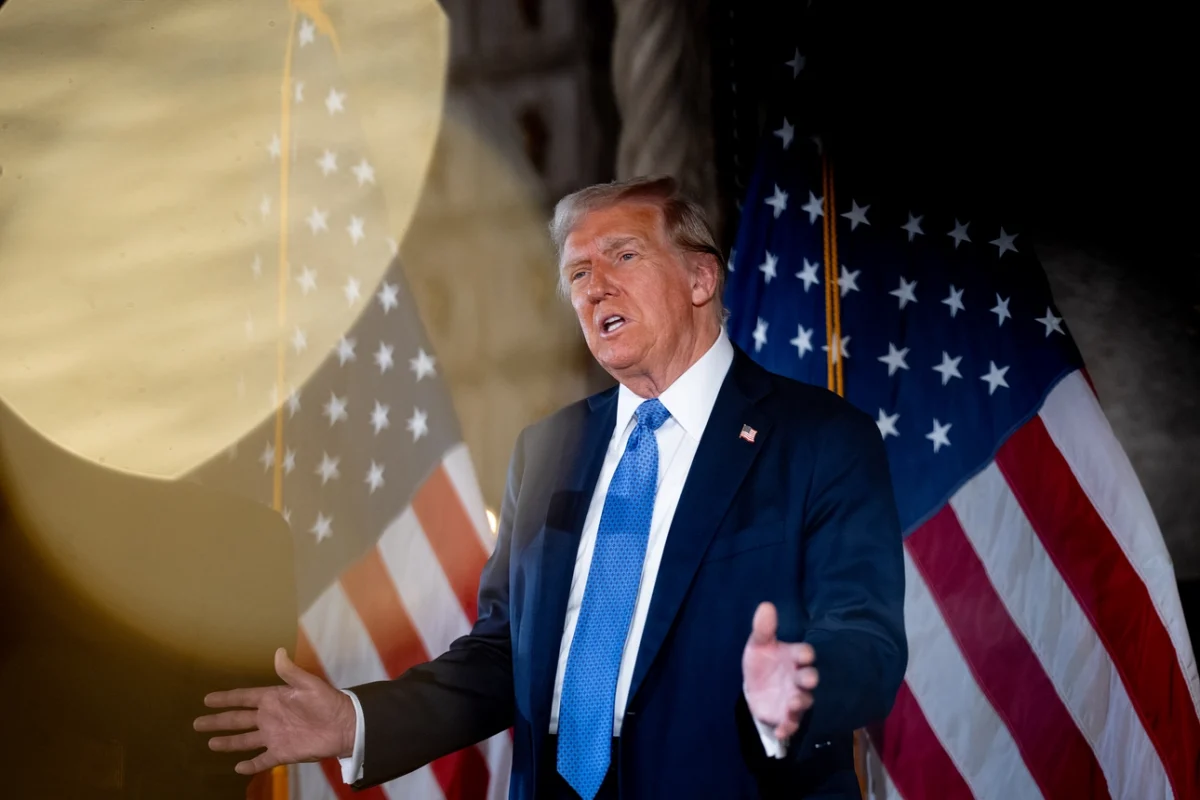
Instead of trying to bring people together, leaders often benefit from keeping Americans divided rather than united. When separation helps leaders stay in power and control their party, they have little to no reason to lessen it, thus creating a dangerous cycle of rising polarization due to highly influential leaders benefiting from it.
Social media algorithms create a loop that intensifies polarization; these algorithms show content that matches what the user believes, so divisive posts spread faster than balanced ones. Due to how algorithms work, extreme posts spread more easily and get more visibility than moderate ones, and over time, divide what people see and side with more.
Research shows that these “algorithmic systems structurally amplify ideological homogeneity,” reinforcing selective exposure by showing people content they agree with while hiding or criminalizing different perspectives.
This explains how algorithms, political leaders and echo chambers work together. Algorithms push divisive content, political leaders benefit from the division and echo chambers only seek out information they want to see. Each part strengthens the other, creating a cycle that only gets worse over time.
Polarization has become normalized in modern society through algorithms, political leaders and extreme rhetoric. However, as individuals, we can choose to question the information we consume, seek out diverse perspectives and resist the norm of hate on the opposing side. The normalization of polarization is not inevitable, it is a choice we make as a society every day through the content we view and share, the conversations we have and the leaders we look up to and support.